OPERA research group · IGE Grenoble
Open computational earth and climate science
We study the atmosphere, the ocean and the cryosphere in the context of climate change — developing the models, methods and open tools that tomorrow's climate science needs.
OPERA lives at the meeting point of two traditions of our discipline: the community models that have anchored climate science for decades, and the emerging generation of data-driven and hybrid methods. Rather than choosing between them, we practice both — and work where they learn from each other.
 Global temperature change, 1880–2025 — NASA GISTEMP v4
Research themes
Three components of the Earth system, studied in the context of climate change — from process understanding to models, data and predictions.
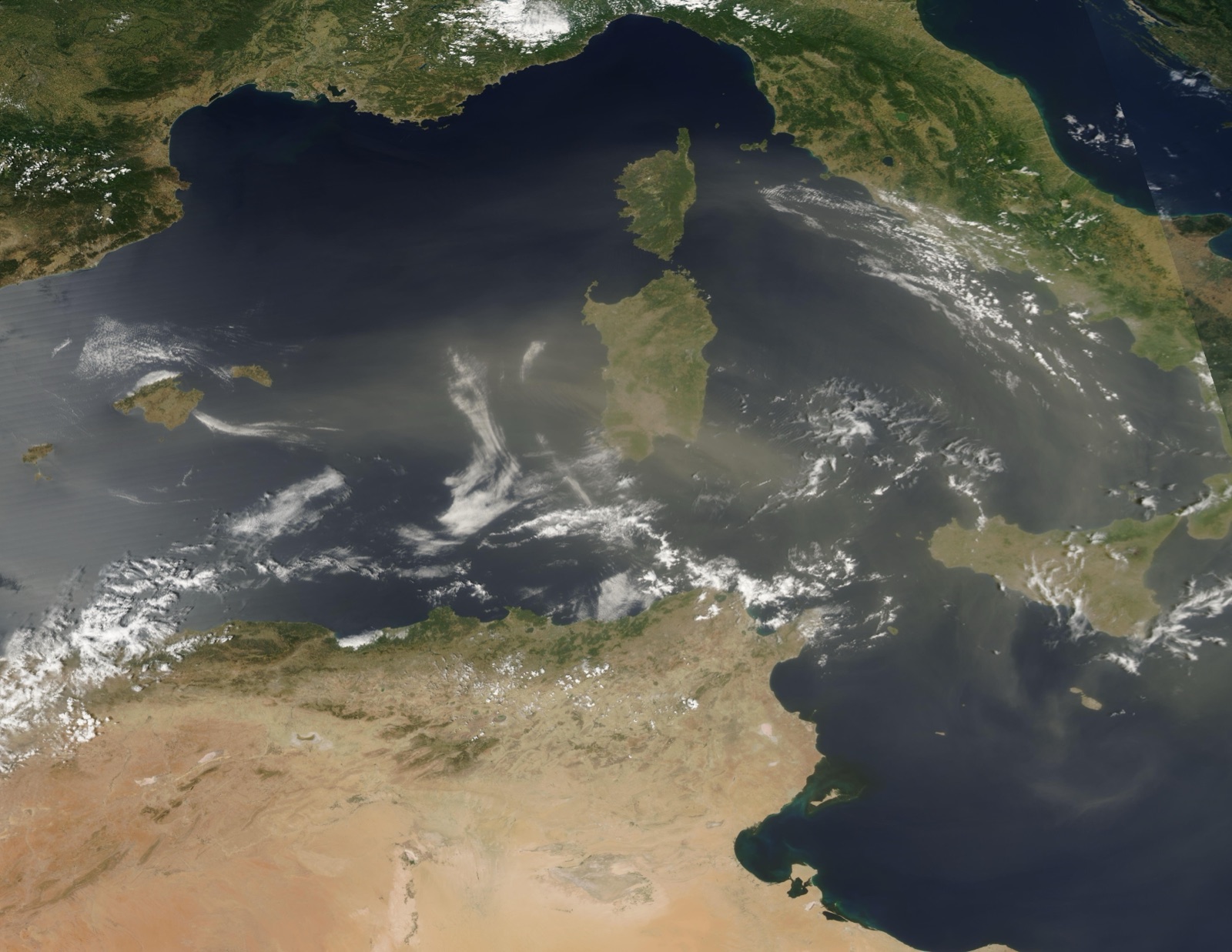
Atmosphere
Aerosols, clouds and atmospheric chemistry; atmosphere–surface interactions.
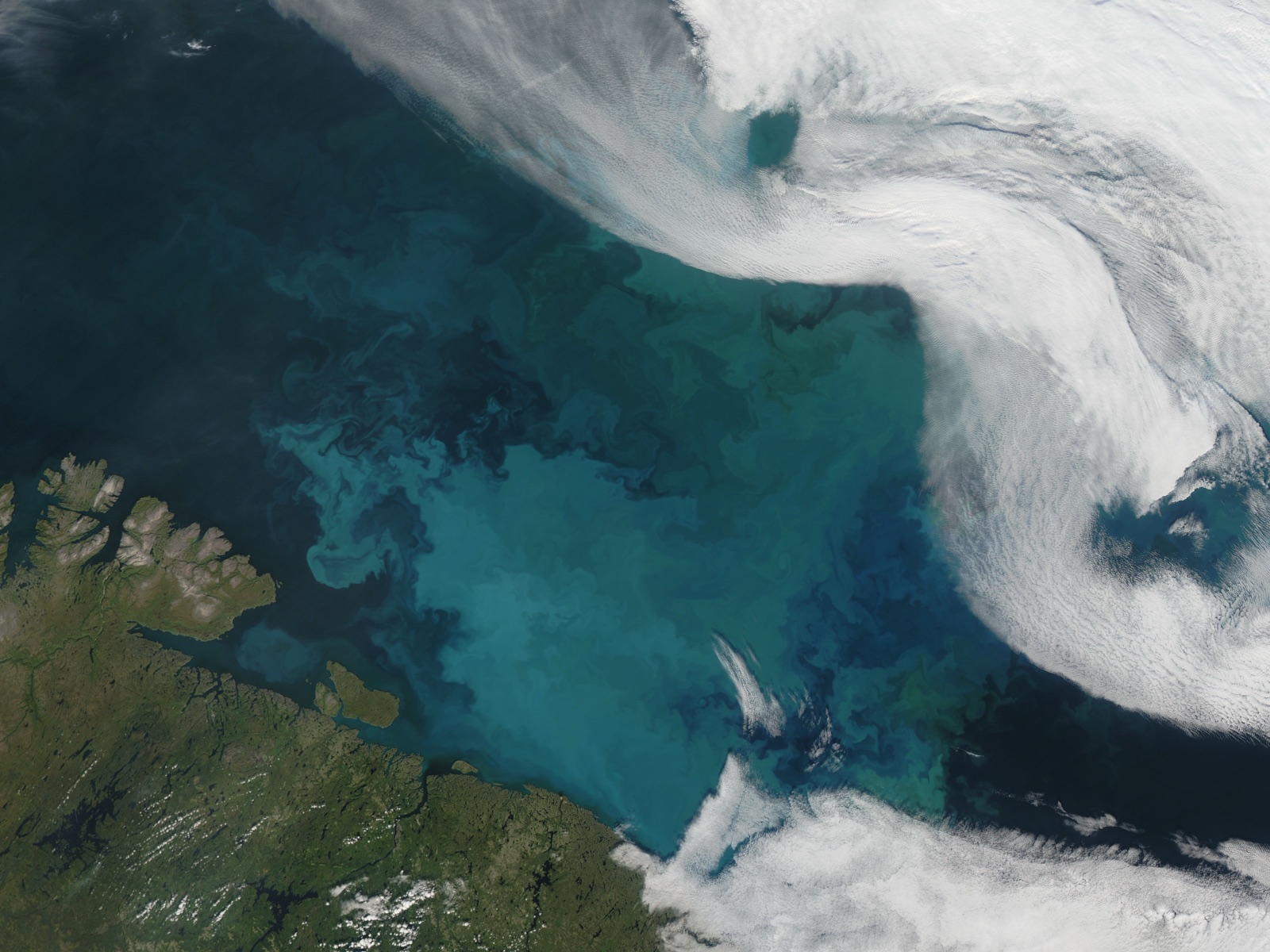
Ocean
Near-surface ocean processes, air–sea exchanges, modelling and remote sensing.
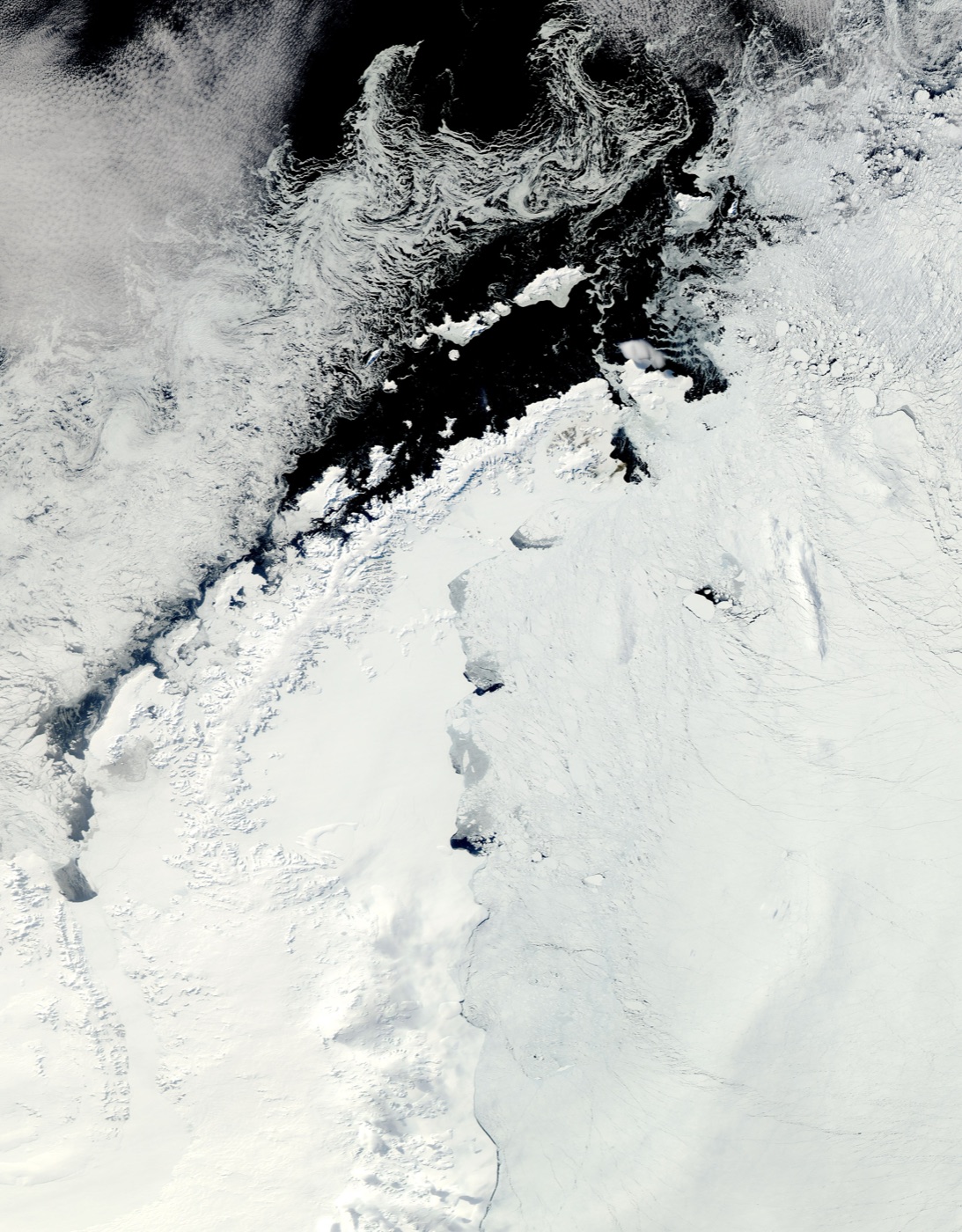
Cryosphere
Sea ice, snow, glaciers — and their coupling with the ocean and atmosphere.
Advancing computational methods
We develop, calibrate and evaluate process-based community models; we explore data-driven and hybrid approaches; and we rethink the design of the numerical systems that carry our science.
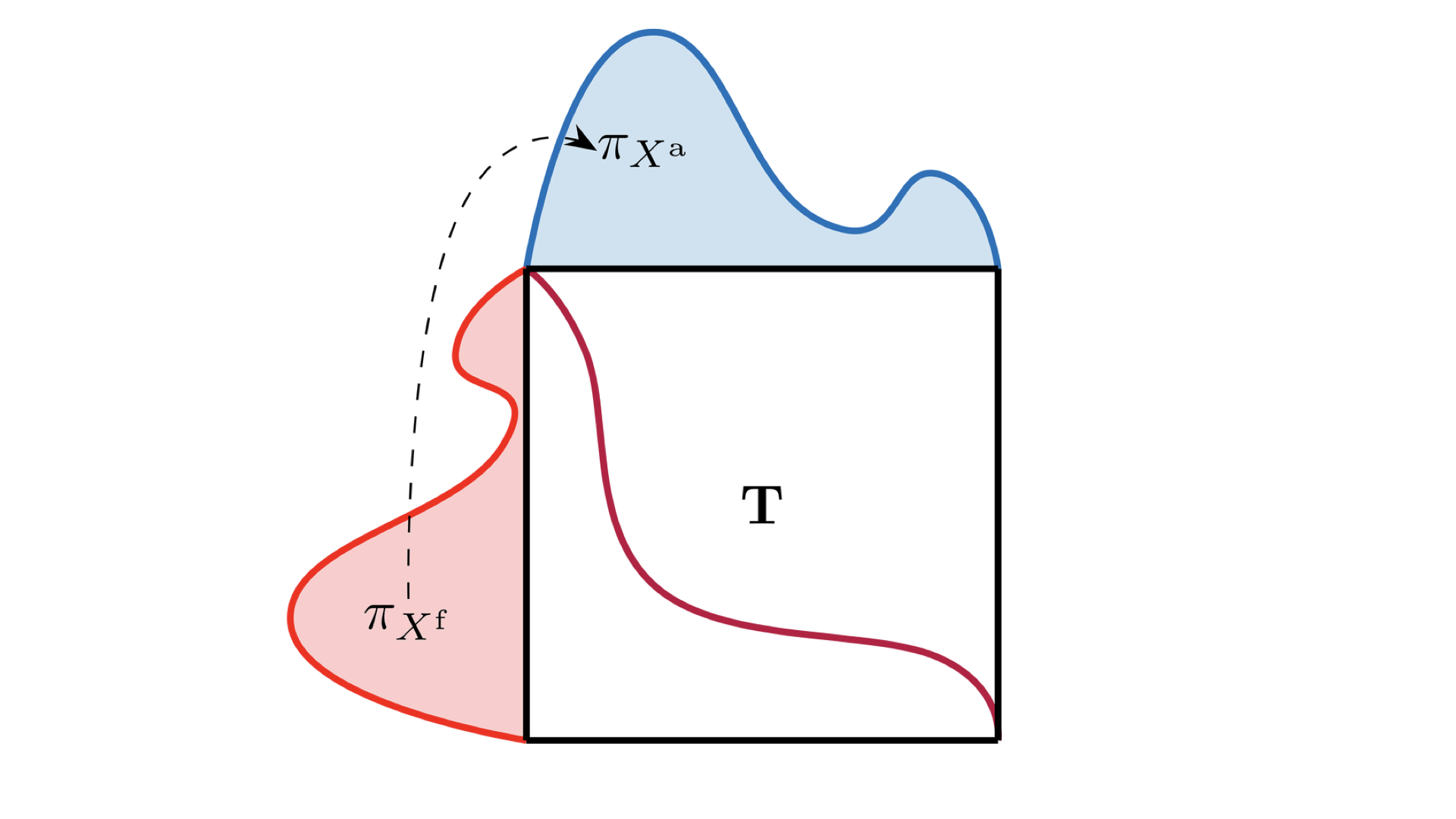
Improving process-based models
Development, calibration, evaluation and uncertainty quantification of community models.
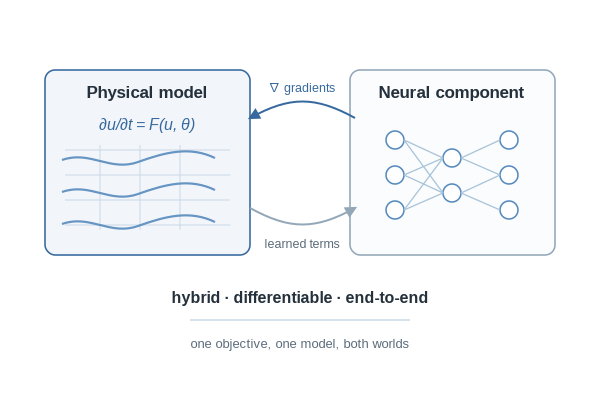
Exploring data-driven approaches
Hybrid modelling, differentiable programming, neural data assimilation.
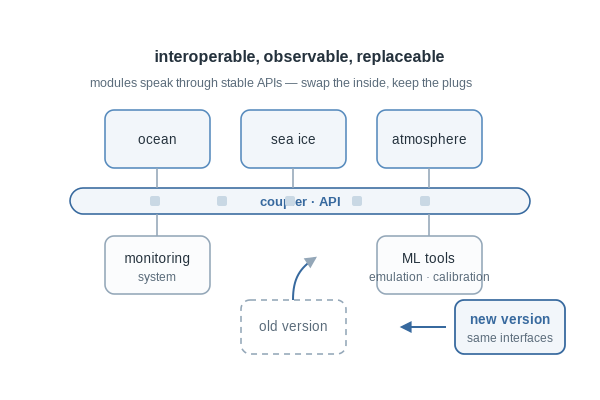
Enhancing numerical system design
Modularity, interoperability, and revisiting the APIs of geoscientific models.
Emerging activities
Beyond climate, OPERA is opening new domains: physics-informed machine learning for glaciology and paleomagnetism, with Facundo Sapienza and the SIDERAL project.
Latest news
-
Nov 2026
Website revamp underway
We are rebuilding our web presence: a new design, research themes aligned with our current work, automated publication pages, and content managed from our group database. -
Nov 2026
Facundo Sapienza joins OPERA
Facundo Sapienza (MIAI Chair at IGE) joins the group, bringing physics-informed machine learning for glaciology and paleomagnetism — and the SIDERAL project with him.